
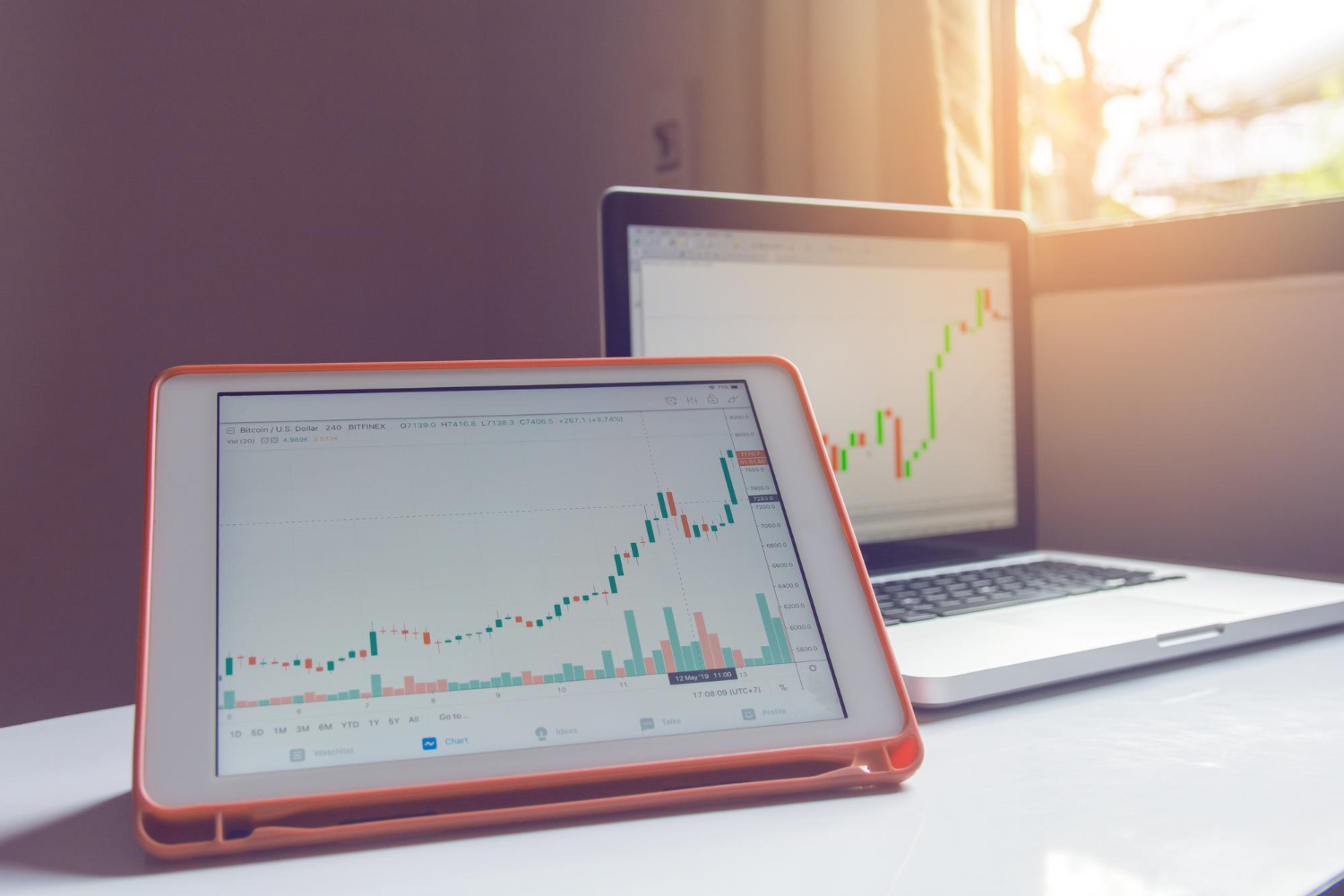
As the financial landscape evolves, online trading has emerged as a significant opportunity for individuals in Ghana to grow their wealth. Understanding the landscape of trading brokers is essential for anyone looking to navigate this dynamic market. This guide offers insights into online trading fundamentals, the types of brokers available, regulatory considerations, and key features to evaluate. Dive in to discover how to choose the right broker and make your first trade with confidence.
What is Online Trading?
Online trading refers to the process of buying and selling financial instruments through internet platforms, which allows traders to execute transactions at their convenience.
The emergence of platforms such as E*TRADE and Robinhood have significantly enhanced the accessibility of online trading. Traders now have the opportunity to invest in a variety of financial instruments, including stocks, options, and exchange-traded funds (ETFs), with just a few clicks.
Advancements in technology have facilitated real-time analysis and the implementation of automated trading strategies utilizing algorithms. Furthermore, a wealth of educational resources and trading simulators are readily available, enabling novice traders to build confidence without the risk of losing actual capital.
These innovations have played a pivotal role in increasing individual participation in the financial markets.
Benefits of Online Trading
Key benefits of online trading include reduced fees, the capacity to trade at any time, and access to a diverse array of investment options. Along with these advantages, online trading platforms frequently offer tools for real-time market analysis, which can significantly enhance decision-making processes.
For instance, platforms such as TD Ameritrade and E*TRADE provides advanced charting software and customizable dashboards that enable users to effectively monitor market trends. Furthermore, many platforms include educational resources and webinars, affording traders the opportunity to learn new strategies and enhance their skills.
The flexibility to manage one’s portfolio from any location also allows for prompt responses to market fluctuations, thereby maximizing potential investment opportunities.
Understanding Trading Brokers
Trading brokers serve as essential intermediaries in the realm of online trading, offering the requisite platforms and tools to facilitate the effective execution of trades.
Types of Trading Brokers
There are three primary types of trading brokers: full-service brokers, discount brokers, and online brokerage platforms, each designed to meet varying trading requirements.
Full-service brokers, such as Charles Schwab, offer personalized advice and comprehensive research, making them particularly suitable for beginners who are willing to incur higher fees for additional support.
Discount brokers, like E*TRADE, provide a balanced option with reduced fees and essential tools tailored for experienced traders. In contrast, online brokerage platforms such as Robinhood emphasize commission-free trading and user-friendly interfaces, appealing to a tech-savvy clientele.
Each type of broker caters to distinct preferences; therefore, it is important to consider one’s trading style, required support, and budget when selecting the appropriate broker.
Choosing the Right Broker
Selecting the appropriate broker necessitates a thorough evaluation of several critical factors, including fees, trading platforms, customer service, and the range of investment options available.
To facilitate your decision-making process, please consider the following criteria:
- Review the fees associated with trading, including commissions and account maintenance costs.
- Assess the usability of the trading platform; it should be intuitive and user-friendly.
- Evaluate the options for customer service, ensuring that support is readily accessible.
- Analyze the diversity of investment opportunities provided, such as stocks, ETFs, and mutual funds.
Utilizing tools such as BrokerCheck can assist in researching brokers’ backgrounds and regulatory compliance, thereby ensuring a secure investment environment. It is essential to prioritize these aspects according to your trading style and objectives to make a well-informed selection.
Regulation and Safety
Regulation is essential in the online trading sector to ensure the legitimacy of brokers and to safeguard investors from fraudulent activities.
Importance of Regulation
Regulatory frameworks established by organizations such as the SEC and CFTC ensure that brokers adhere to standards designed to protect the interests of traders. These regulations mandate that brokers fulfill specific criteria, including the maintenance of a certain level of capital reserves, the provision of transparent fee structures, and the implementation of measures to guard against fraud.
For instance, brokers are required to be members of the Financial Industry Regulatory Authority (FINRA), which oversees trading activities and promotes fair practices within the industry. Engaging in trading through unregulated platforms increases risks for traders, including limited recourse in the event of disputes and a heightened likelihood of fraudulent activities.
Consequently, it is essential to verify a broker’s regulatory status prior to utilizing their services.
How to Verify a Broker’s Legitimacy
Verifying the legitimacy of a broker requires a thorough examination of their regulatory status, an evaluation of user reviews, and the utilization of platforms such as FINRA’s BrokerCheck.
Begin by confirming that the broker is duly registered with relevant local authorities, such as the Securities and Exchange Commission (SEC) in the United States. Subsequently, consult review sites like Trustpilot or Forex Peace Army, where users share their experiences with various brokers.
It is essential to scrutinize the broker’s financial history, assessing indicators of stability such as consistent profitability and adequate capitalization.
A practical checklist for this verification process should include the following items:
- Regulatory registration
- At least three user reviews
- Assessment of financial records
This systematic approach will significantly enhance the trustworthiness of the broker selected.
Key Features to Look For
When evaluating trading brokers in Ghana, it is essential to assess key features that directly impact trading efficiency and user experience.
Trading Platforms
A reliable trading platform should offer a user-friendly interface, advanced charting tools, and mobile trading capabilities to enhance the overall trading experience.
Platforms such as MetaTrader 4 and TradingView excel in these aspects. MetaTrader 4 provides customizable chart layouts and comprehensive technical analysis tools, making it ideal for experienced traders. In contrast, TradingView is distinguished by its robust community features and the ease with which users can share ideas.
Both platforms offer mobile applications, ensuring that users can manage trades and monitor market activity while on the move.
To maximize trading potential, it is advisable to sign up for a demo account on these platforms to practice and explore their features prior to making any financial commitment.
Fees and Commissions
A comprehensive understanding of the fee structure is essential, as trading fees can significantly influence overall investment returns over time.
Common fees in trading encompass spreads, commissions, and withdrawal fees. For example, OANDA typically charges approximately 0.6 pips for spreads on major currency pairs and a commission rate of $5 per lot on specific account types. Conversely, Forex.com may offer spreads starting at 0.8 pips without imposing direct commissions.
It is important to note that both brokers frequently implement withdrawal fees, which are generally around $20 for international bank transfers.
Therefore, traders should meticulously evaluate these fees when selecting a broker to enhance their investment strategies.
Customer Support
Effective customer support is of paramount importance, particularly for novice traders who require timely assistance during trading hours.
Reliable customer support options are essential in this context. It is advisable to seek brokers that provide live chat for immediate responses, in addition to email support for more detailed inquiries. Furthermore, phone support can offer prompt assistance during critical trading moments.
For instance, brokers such as TD Ameritrade and Charles Schwab excel in customer support, providing 24/7 live chat services and dedicated phone lines. Additionally, consider trading platforms that feature comprehensive online help centers, including FAQs and instructional videos, which give the power to beginners to address common issues independently.
Popular Online Trading Brokers in Ghana
Ghana is home to an increasing number of online trading brokers that serve both local and international trading requirements.
Overview of Local Brokers
Local brokers in Ghana provide specialized services that take into consideration regional financial regulations and market conditions. Two prominent brokers in this context are Databank and EDC Investment.
Databank offers a user-friendly platform that caters to both novice and experienced traders, providing investment advisory services alongside a diverse array of financial products. This platform is particularly well-suited for long-term investors seeking to diversify their portfolios.
In contrast, EDC Investment is more focused on serving institutional traders and provides advanced trading tools, making it an ideal choice for those engaged in high-frequency trading.
Assessing one’s trading style is essential for selecting the appropriate broker that aligns with specific financial goals.
International Brokers Accepting Ghanaian Traders
Several international brokers have begun to extend their services to Ghanaian traders, thereby providing access to global markets and a variety of investment options.
Reputable brokers such as IG are recognized for their extensive educational resources and low spreads, making them particularly suitable for beginners. eToro distinguishes itself with its social trading features, which enable traders to emulate the strategies of successful peers. Additionally, Plus500 offers a user-friendly platform with zero commissions, appealing to more casual investors. XM presents a diverse range of account types and competitive leverage options, catering to the needs of more experienced traders.
Each of these platforms addresses different trading styles and preferences, ensuring that Ghanaian traders can identify an option that aligns with their specific requirements.
Getting Started with Online Trading
Commencing an online trading journey necessitates the establishment of an account and an understanding of the trading process.
Creating an Account
Establishing a trading account typically entails the selection of a broker, the completion of an application, and identity verification to ensure compliance with regulatory standards.
After selecting a broker, an individual will generally be required to fill out an online application form, which often necessitates the provision of personal information, including a Social Security number and employment details.
For the verification process, it is advisable to prepare documents such as a government-issued identification and proof of address, which may include a utility bill. This verification process typically takes one to two days; however, certain brokers may offer immediate verification through advanced technological solutions.
It is also crucial to implement secure passwords and enable two-factor authentication to safeguard the account against unauthorized access.
Making Your First Trade
Executing your first trade necessitates the careful selection of a market, the choice of an appropriate order type, and a comprehension of essential trading terminology such as buy/sell, stop loss, and take profit.
Begin by selecting a market that aligns with your interests, such as stocks, forex, or cryptocurrencies. Subsequently, determine the order type that best suits your strategy-market orders execute immediately at current market prices, while limit orders allow you to specify a price, thereby providing enhanced control over your trades.
It is advisable to monitor your trades closely and to utilize a demo account initially, as this enables you to practice without incurring any financial risk. Additionally, becoming proficient with trading platforms such as MetaTrader or Robinhood will facilitate a more efficient navigation of these processes.
This foundational knowledge will equip you for the implementation of more complex trading strategies in the future.
Next Steps for Aspiring Traders
Aspiring traders should consider enhancing their education through online courses, trading communities, and practice accounts to improve their skills.
Enrolling in courses on platforms such as Coursera or Udemy can significantly advance one’s trading knowledge, as these platforms offer specialized classes in technical analysis and trading strategies.
Joining communities like the Investopedia Simulator or TradingView forums can provide invaluable insights and support from seasoned traders.
For practical experience, utilizing practice accounts on platforms such as TradingSim allows individuals to simulate trades with real-time data without incurring financial risk.
It is advisable to dedicate a minimum of five hours per week to learning and practicing, as this commitment can lead to substantial progress in trading proficiency.